How to Apply for a Schengen Visa from the UK
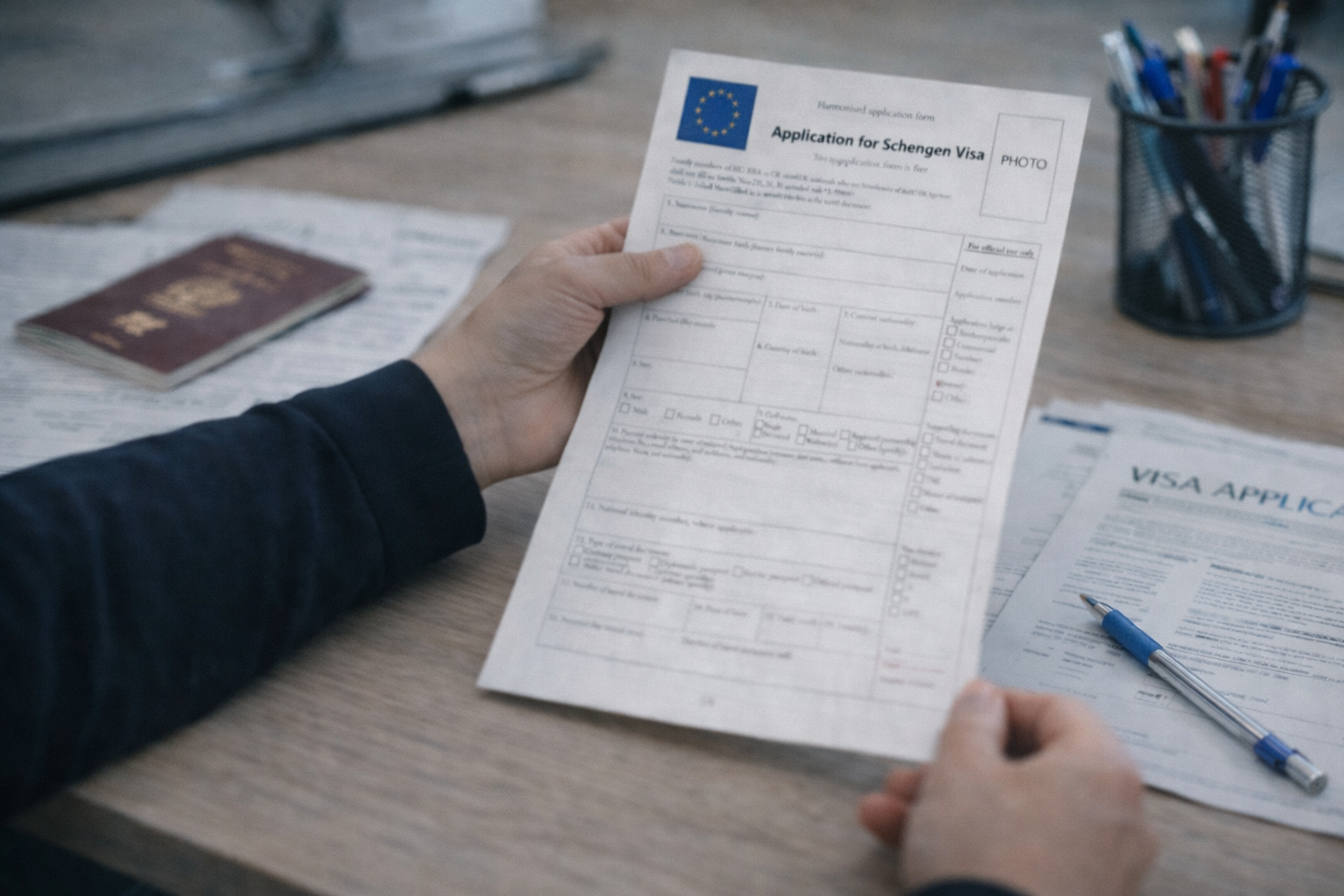
If you live in the United Kingdom and already know that a visa is required for travel to Europe, the real questions usually start after that decision is made. The rules themselves are not especially complex, but they are spread across different embassies, visa centers and country-specific instructions, which often makes the process feel more confusing than it should be.
This article explains how to apply for a Schengen visa from the UK from a practical point of view. It is written for applicants who have already confirmed that they need a visa and now want to understand how decisions are made, what documents actually matter, and what to expect once the application has been submitted.
Who needs a visa to travel from the United Kingdom to the Schengen Area
Whether a person needs a visa depends on nationality, not on immigration status in the United Kingdom. Many non-UK nationals living in the UK are still required to hold a Schengen visa, even if they already have a valid UK residence permit and travel regularly. This often comes as a surprise, especially for people who have lived in the country for several years.
If your passport does not allow you to travel visa free, you must apply for a visa before entering the Schengen area, including for short trips. A UK residence permit confirms your right to live in the UK, but it does not grant access to Schengen countries and cannot be used in place of a Schengen visa.
What a Schengen visa allows and how the 90 days rule works
A Schengen visa allows short visits within the Schengen area for up to 90 days within any 180 day period. This limit applies across all participating countries combined, rather than per country, which often causes confusion.
This visa is typically used for tourism, visiting family members, business purposes such as a business meeting or a business trip, short educational activities, medical treatment, and media activities. It does not allow paid employment or long-term residence, and overstaying can negatively affect future visa decisions.
Apply for a Schengen: choosing the correct country
Choosing the correct country is one of the most important parts of the entire process and is governed by the schengen agreement. Even well-prepared applicants can make mistakes at this stage.
When you apply for a schengen, the general rule must be followed carefully:
- you apply to the schengen country where you will spend the most time
- if you spend an equal amount of time in more than one country, you apply to the country you enter first
- if plans change significantly after submission, the consulate may question the credibility of the case
This country becomes your main destination and determines which consulate, acting for the relevant member state, will review the visa application.
This is the stage where many applications fail, not because documents are missing, but because the wrong country was chosen. Once the application has been submitted and accepted by the embassy handling the case, this mistake is difficult to correct and often means starting the process again from the beginning.
Where applications are submitted in the United Kingdom
In the United Kingdom, most embassies do not accept applications directly. Instead, applicants submit their paperwork through a visa application centre operated by an external service provider.
The most widely used provider is VFS Global. Depending on the country you are applying to, applications may also be handled by TLScontact or BLS International. While the booking systems, locations and appointment availability can differ, the overall submission process remains broadly the same, and the final decision is always made by the embassy responsible for the application.
Booking an appointment at a visa application center
An appointment must be booked online before the visa application can be submitted. For many destinations, this is done through the VFS Global booking system, although some countries use other providers. Availability depends on the destination country, location and season, and popular periods often fill up weeks in advance.
Missing an appointment usually means booking a new appointment and waiting again for availability. Applicants using satellite centres in Manchester or Edinburgh should also allow for slightly longer timelines, as files are forwarded to the main processing location.
Completing the Schengen visa application form correctly
Every applicant must complete the schengen visa application form for the destination country. The application form must be completed accurately, printed and signed before attending the appointment.
All details in the application form must match the passport and supporting paperwork. Even small inconsistencies in dates or personal information can lead to additional checks during the visa application process.
Passport requirements and valid passport rules
Your passport is central to the entire process and will be examined carefully before anything else is assessed. A valid passport must meet specific conditions set by Schengen rules.
To apply for a schengen visa, your passport must meet the following requirements:
- it must have been issued within the last ten years
- it must be valid for at least three months after your intended return date
- it must contain at least two blank pages
Older passports can also be included if they show previous travel history, as this may help the consulate assess how earlier visas were used.
Required documents and all the required documents explained
Although each consulate publishes its own checklist, the overall structure of the file is similar across the schengen area. The purpose of the paperwork is to demonstrate the reason for travel, financial stability and intention to leave at the end of the visit.
In most cases, applicants are expected to submit:
- passport and copies of relevant pages
- proof of legal residence in the United Kingdom
- completed and signed application form
- accommodation and travel bookings supporting the intended journey
- evidence of sufficient funds
- travel insurance valid across the schengen area
Submitting all the required documents in a clear and consistent way is far more effective than adding large volumes of unrelated material, which can complicate the review.
Travel insurance and visa fees
Travel insurance is mandatory for every schengen visa request and must cover emergency medical care and repatriation for the entire stay. The policy must be valid across all countries in the schengen area and for the full duration of the visit.
Applicants must also pay visa fees at the appointment. The overall visa cost usually includes the official fee set by the consulate, a service charge applied by the visa application centre, and optional services that may involve an additional fee.
Submitting the visa application and providing biometric data
At the appointment, applicants submit their documents and provide biometric data, including fingerprints and a photograph. This step applies to most people, even if they have previously held a Schengen visa.
Once the visa application is accepted, the passport remains with the visa center while the file is reviewed. From that point on, travel outside the application is no longer possible until a decision is made.
What happens after submission and waiting time
After submission, the passport and other documents are sent to the consulate of the Schengen country where the application was filed, and this is when the waiting usually starts. From the applicant’s side, this stage often feels quiet, as the review happens internally and without regular updates.
The review usually takes around two weeks, although decisions are sometimes made sooner, even if this is less common. The timing depends on how busy the consulate is or whether additional checks are needed. Applicants are often given a reference number or unique code, but not all visa centres offer full tracking, and in some cases the only update comes by SMS when the passport is ready.
At this point, there isn’t much you can or should try to control. Calling the visa centre, endlessly refreshing the tracking page, or reshuffling your travel plans won’t push the decision any faster. More often than not, it just creates unnecessary stress and a sense of chaos, rather than giving you real clarity.
Decision stage and passport returned
Once a decision is made, you receive your passport back with either an approval sticker inside or a refusal notice. If it has been approved, it is worth taking a moment to check the dates, number of entries and length of stay, as these details matter more than people often realise.
Even if a decision is accepted or approved, entry is not guaranteed. Border officers may still ask a few questions or request documents, especially if travel plans have changed.
Business travel
If you are travelling for a business trip, the consulate mainly wants to see that the visit is short and clearly defined. This is usually confirmed by a formal invitation related to your work visit and a signed letter from your employer explaining why you are travelling and when you are expected to return.
It is best to avoid wording that sounds like ongoing work or employment. Even if this is not your intention, such language can create unnecessary doubts during the review.
Students, minors and school travel
Applicants on a student visa should show that they are currently enrolled and expected to return to their studies in the United Kingdom after the trip.
For minors, a birth certificate and parental consent are required. Trips organised by a general education school must include documentation from the accompanying teacher confirming supervision arrangements.
Family members and European Union rules
Family members of EU nationals may benefit from simplified procedures under european union law and an eu directive. Proof of relationship must still be submitted for each person, and every applicant is assessed individually.
Short stay visa and other visa type options
A short stay visa allows visits of up to 90 days within a 180 day period. Longer stays require a different visa type issued under national rules.
Trying to extend this type of permission can cause problems later and may affect future applications.
FAQ: applying for a visa from the United Kingdom
Can I apply if I am not legally resident in the UK?
No. Applications must be submitted from the country where the applicant lives on a permanent and lawful basis. In practice, the consulate expects to see a valid residence permit confirming that you are allowed to live in the UK, rather than staying temporarily. If you are in the UK as a visitor, or your residence permit has expired or is close to expiring, the application is likely to be refused or not accepted, and you will usually be told to apply from your home country instead.
Can I visit more than one country?
Yes. One visa allows travel across the schengen area, provided you apply through your main destination.
Can I apply again after a refusal?
Yes. Applicants may reapply after addressing the reasons for refusal.
Conclusion
Applying for a Schengen visa from the United Kingdom is less about speed and more about accuracy. The rules themselves are relatively stable, but the way they are applied depends on the country you apply through, the consulate reviewing the case, and how clearly your documents support the purpose of the trip.
Most difficulties arise at predictable points: choosing the wrong country, submitting documents that do not fully match the travel plan, or misunderstanding how appointments, processing times and passport handling work in practice. These issues are rarely about eligibility and more often about preparation.