Schengen 90 Day Rule Explained for UK Residents
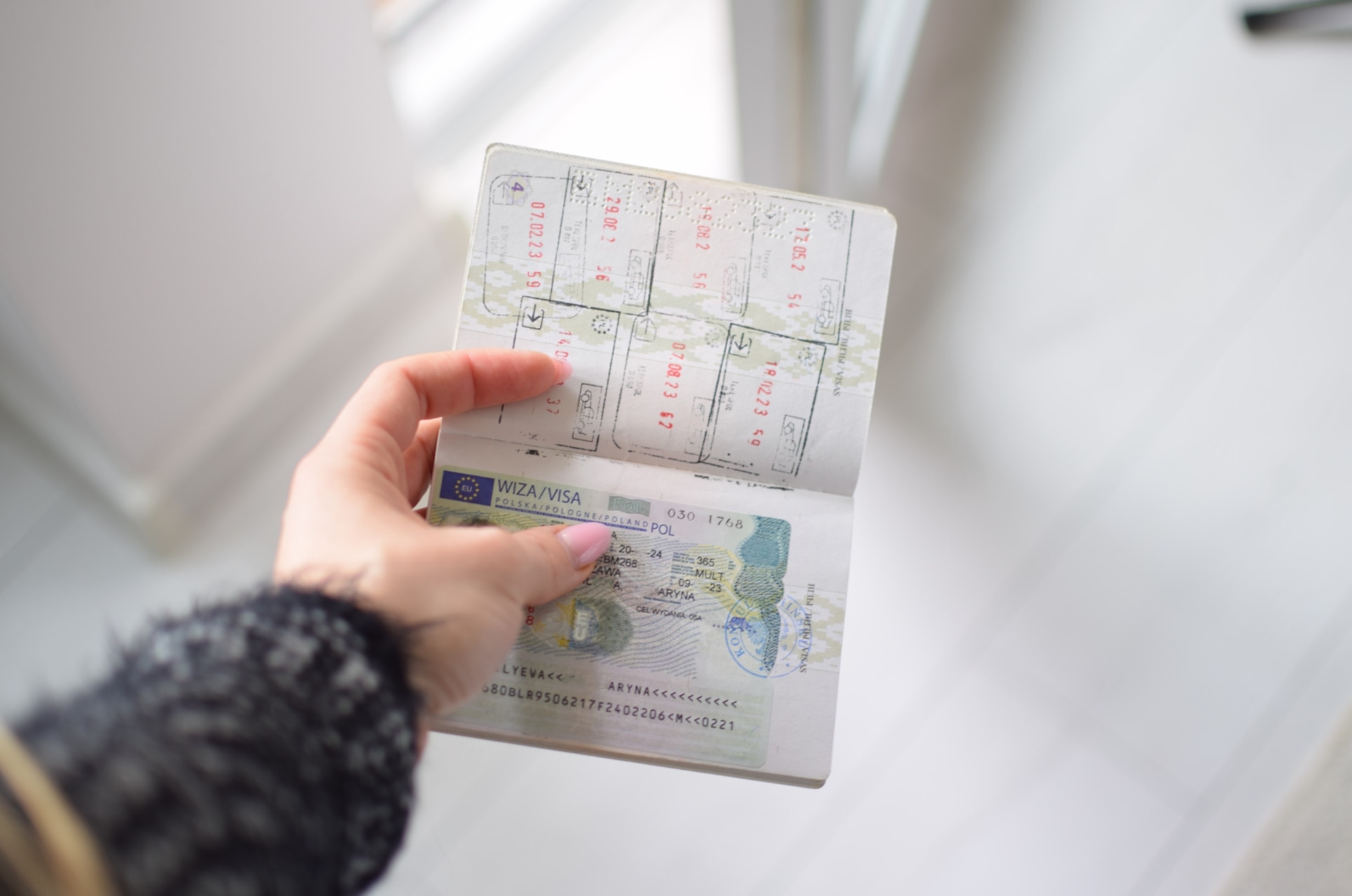
For years, travelling across Europe felt effortless for people from the UK. Long summers in Spain, spontaneous weekends in France, or slow journeys through Italy were simply part of normal life rather than something that required careful planning. While the UK was part of the European Union, the principle of free movement allowed British nationals to spend extended periods in EU countries without having to track their time precisely.
Since Brexit, that freedom has quietly disappeared. What replaced it is a time-based system that counts every single day you spend inside the Schengen area. Time is now monitored under a structured framework, and every visit contributes towards a fixed limit.
Today, UK citizens are treated as non-EU nationals under the Schengen 90 day rule, which means every visit now contributes towards the overall limit. Even a few short breaks spread across the year can add up quicker than many people expect. Many only realise how strictly the limits are applied when questioned during passport checks, which can quickly turn a relaxed journey into an uncomfortable conversation.
What Is the Schengen Area Within the European Union?
The Schengen area is a group of European countries that have removed internal border controls between them. Once you enter one participating state, you can move freely across others such as Portugal, Switzerland, Germany, Norway and other member states, travelling between them without routine border formalities.
Although Schengen operates within the wider EU framework, not every EU country participates in the same way. Cyprus, for instance, is not part of the Schengen area. By contrast, Romania and Bulgaria are now included in the Schengen system, which means that any days spent there count towards your 90-day allowance under the 90 180 framework.
Take Cyprus as an example. It is a member of the European Union, but it is not part of the Schengen area. Even if you travel there using a valid schengen visa, the days you spend in the Republic do not count towards your 90-day allowance inside the Schengen zone. For travellers who are close to their limit, this can make a real difference, because time on the island does not reduce the days available under the 90 180 framework.
The 90 180 Day Rule and the 180 Day Period Explained
UK residents may stay in the Schengen area for a maximum of 90 days within any 180 day period without applying for a schengen visa. This structure is formally known as the 90 180 day rule and applies collectively across all Schengen countries. The same principle is often referred to simply as the 90 180 rule, which governs short stays across the entire Schengen area.
The system works on a rolling basis rather than resetting every six months. On any particular day you are inside the Schengen zone, authorities look back over the previous 180 day period and calculate how much time you have already spent there. If your earlier travel dates still fall within that window, they are included in the total. Only once those earlier days move outside the rolling timeframe does new allowance become available, allowing you to remain within your authorised stay.
How a Schengen Visa Works Within the 90 180 Framework
Most UK travellers rely on visa-free travel for short stays, which means they do not need a schengen visa for tourism. However, this does not remove the time restriction created by the 90 180 day rule. Whether you enter without a visa or with one, the same overall limits still apply within each rolling six-month window.
If a visa is required due to nationality or personal circumstances, it is usually issued as a short stay visa and still follows the same permitted limits. In other words, the visa allows you to enter, but it does not extend your stay beyond the maximum length permitted under the rules. Anyone wishing to remain longer must apply for a long stay visa or obtain a residence permit from a specific country within the European Union. Without that status, the same time limits continue to apply across all participating states.
Why a Long-Term Schengen Visa Still Shows 90 Days of Stay
Travellers who receive a schengen visa issued for one year or even longer are often surprised to see that the “Duration of Stay” field still shows 90. This figure refers to the authorised length of stay permitted within each 180 day period. In practice, a longer visa validity does not mean you can stay longer. The ninety-day limit still applies.
Using a Schengen Visa Calculator to Check Remaining Days
Because the rolling calculation can be confusing, many travellers use an online tool as a practical helping tool to track their allowance. A schengen visa calculator helps determine how many remaining days are available within the current rolling six-month window.
The official calculator published by the European Commission allows travellers to enter their travel dates and receive an instant calculation showing whether their intended entry complies with the rules. You can access the official Schengen visa calculator provided by the European Commission directly on its website to check your planned travel schedule before booking.
For clarity, many travellers rely on a schengen calculator before booking flights, especially if they have taken multiple short trips within the same year. Using a schengen calculator reduces uncertainty and helps prevent accidental overstays. Checking your allowance in advance helps ensure your next trip begins without complications at the border.
Border Controls in the Schengen Area and How the Rules Are Enforced

Although internal border controls are largely removed between Schengen countries, external entry points remain strict. Border guards review passport stamps, check previous entries, and may question your travel history. In some cases, they will examine each entry stamp carefully to verify the exact date format recorded in your passport.
If authorities determine that you have exceeded your permitted stay, they may refuse entry or impose penalties that apply across all participating schengen states. Because the system operates collectively, overstaying in one country can affect travel to others within the Schengen area.
A Practical Example of the 90 180 Calculation
Suppose you spend 60 days in Spain between January and March, return to the UK, and then plan a 40-day visit to Italy in May. On the date you attempt to re-enter the Schengen area, officials look back over the previous rolling period and count those earlier 60 days, along with any additional days spent in other Schengen countries during the same timeframe.
If you decided to stay for the full 40 days, your total would rise to 100 days, which is more than the rules allow. In reality, that would mean either cutting your time in Italy short or pushing your plans back until some of those earlier days no longer fall within the rolling window.
How to Plan Your Length of Stay in the Schengen Area
Planning ahead makes a significant difference, especially if you travel frequently between the UK and the Schengen area. A simple routine can help you stay within the permitted limits:
-
Keep a clear record of every visit, including exact entry and exit dates.
-
Track your rolling allowance regularly, rather than waiting until your next journey is already booked.
-
Use a reliable calculator to confirm how much of your allowance is still available before booking flights or accommodation.
Many UK travellers now prefer shorter, spaced-out stays instead of one long uninterrupted period abroad. This approach offers more flexibility and reduces the risk of accidentally exceeding the allowed time. With thoughtful preparation and accurate calculations, travelling across Europe remains entirely possible. Once you understand how the system works, the process becomes fairly straightforward, even for frequent travellers.
FAQ About the Schengen 90 Day Rule
How does the 90/180 system work in practice?
Authorities review the previous 180 day period on any day you are present in the Schengen area. If your total stay exceeds the permitted limit within that window, you must leave unless you hold a valid long stay visa or a residence permit issued by one of the Schengen states.
When can I return after reaching the limit?
You may return once earlier stays fall outside the rolling calculation window. A schengen calculator can show the exact date when re-entry becomes possible.
What happens if I overstay the 90/180 limit?
If you exceed the permitted limit within the 180 day period, you may face fines, entry restrictions, or difficulties when returning to the Schengen area. Future visa applications can also be affected.
Conclusion: Understanding the Time Limits Before You Travel
The Schengen 90 day rule has changed how UK residents organise travel under the current visa framework within the European Union, but it does not make visiting the Schengen area complicated. It simply requires a clear understanding of how time is calculated under the short stay visa regime and how each stay fits within the rolling framework. Once you are aware of how the 90 180 structure works and keep track of your travel dates carefully, planning becomes logical rather than stressful.
By checking your allowance in advance and ensuring your stay remains within the authorised limits of your visa status, you avoid last-minute problems and unnecessary uncertainty at the border. With a practical approach and realistic scheduling, travel across the Schengen area can remain flexible, predictable and fully compliant with the visa rules.