Schengen Visa for UK BRP Holders: Requirements, Rules and How It Works

Why UK Residents Still Need a Schengen Visa
Many people living in the United Kingdom are surprised to learn that legal residence in Britain does not automatically mean visa-free travel in Europe. If you are from one of the non EU countries and live in the UK on a student visa, skilled worker visa or another residence status, you may still need a Schengen visa for tourism, a family visit, medical treatment or a business meeting.
That is because Schengen rules mainly look at nationality and lawful residence, not simply the fact that you live in Britain. British citizens can usually travel visa-free for short trips of up to 90 days in any 180 day period, but many UK residents still need a visa before travelling to the Schengen area.
BRP Holders, eVisas and Travel Rules in 2026
People in Britain still say they are BRP holders. Officially, physical BRP cards have been replaced by eVisas and digital immigration records linked to a passport. A UK eVisa is not the same thing as a Schengen visa. If your nationality requires one, you still need a visa to enter the Schengen area even if you legally live in the United Kingdom.
Many travellers are also confused about passport stamps after the launch of the EU Entry/Exit System. Some Schengen countries now record arrival digitally instead of using passport stamps, although some travellers still receive stamps depending on the airport or border crossing. A UK eVisa usually does not change this.
The Schengen Zone and Schengen Country Rules
The Schengen zone now includes 29 states. It covers most European Union countries together with Iceland, Norway, Switzerland and Liechtenstein.
A Schengen visa is generally valid across the whole Schengen area if the application was submitted through the correct Schengen country.
Ireland and Cyprus still do not issue Schengen visas, which sometimes confuses travellers planning routes across Europe. However, Cyprus does allow travellers to visit with a valid multiple-entry Schengen visa in many cases, while a Cypriot national visa does not automatically allow travel across the Schengen area.
Which Schengen Country Should You Apply Through?
The rule is simple. You apply through the country where you will stay the longest. If you plan to visit more than one country and spend an equal amount of time in each one, the first country of arrival becomes your main destination.
Your hotel bookings, transport and invitation letter should all support the same intended journey, otherwise the consulate may request further information. For example, if you spend five nights in France and five nights in Belgium, Belgium becomes responsible if it is your first country of entry.
Can One Schengen Visa Cover Multiple Countries?
Usually, yes. If your visa was issued correctly, you can normally move between Schengen countries without applying again. Someone might land in Spain, spend a few days in Italy and then continue to France using the same visa.
However, your visa application should still match your actual travel plans, destination country and the overall purpose of the trip.
Schengen Visa Application Form Basics
Every Schengen visa application begins with an official form, but this is usually where people start making small mistakes. If your bookings, dates and documents contradict each other, the embassy will usually notice quite quickly.
Choosing the Right Visa Type
For most travellers, the correct visa type is the short stay visa, often called type C. It is commonly used for tourism, family visits, business meeting trips, study events and short travel across the Schengen zone.
There are also visas for airport transit visa situations, medical treatment, media activities and other media activities.
When an Airport Transit Visa Applies

An airport transit visa is not the same thing as a standard Schengen visa. It only allows travellers to stay inside the international transit area of an airport without formally entering the Schengen area.
Not everyone needs an airport transit visa, but travellers from certain countries often do, so it is always worth checking visa requirements carefully before booking flights.
How to Apply for a Schengen Visa from the UK
At European Union level, the process is fairly straightforward. You apply through the consulate responsible for your area of residence, although in the United Kingdom this usually means submitting documents through a visa application centre while the embassy or consulate makes the final decision.
To apply for a Schengen visa successfully, it helps to organise your route and purpose of travel before starting the application process.
Visa Application Centre, Embassy and Consulate Rules
A visa application centre mainly collects documents, passport copies, biometric data and visa fees, but it does not decide whether your visa is approved. The embassy or consulate of the chosen Schengen country reviews the file itself and makes the final decision.
VFS Global, TLScontact and the Application Process
Many countries in the UK outsource applications through VFS Global or TLScontact. France is one example of a country that often uses TLScontact, while several other countries work with VFS Global centres.
In practice, the process feels almost the same everywhere. You book an appointment, hand over the documents and then wait for the embassy decision.
Processing Times and When to Submit
Applicants should normally submit documents at least 15 days before the intended journey and no more than six months in advance. Standard processing times are usually around 15 days, although they can vary depending on the season, embassy workload and additional checks during the application process.
Submitting early reduces stress and gives the consulate enough time to request extra documents if necessary. It is also worth checking official embassy pages and European travel information before booking flights, because travel requirements sometimes change for a specific period.
Valid Passport, Documents and Biometric Data
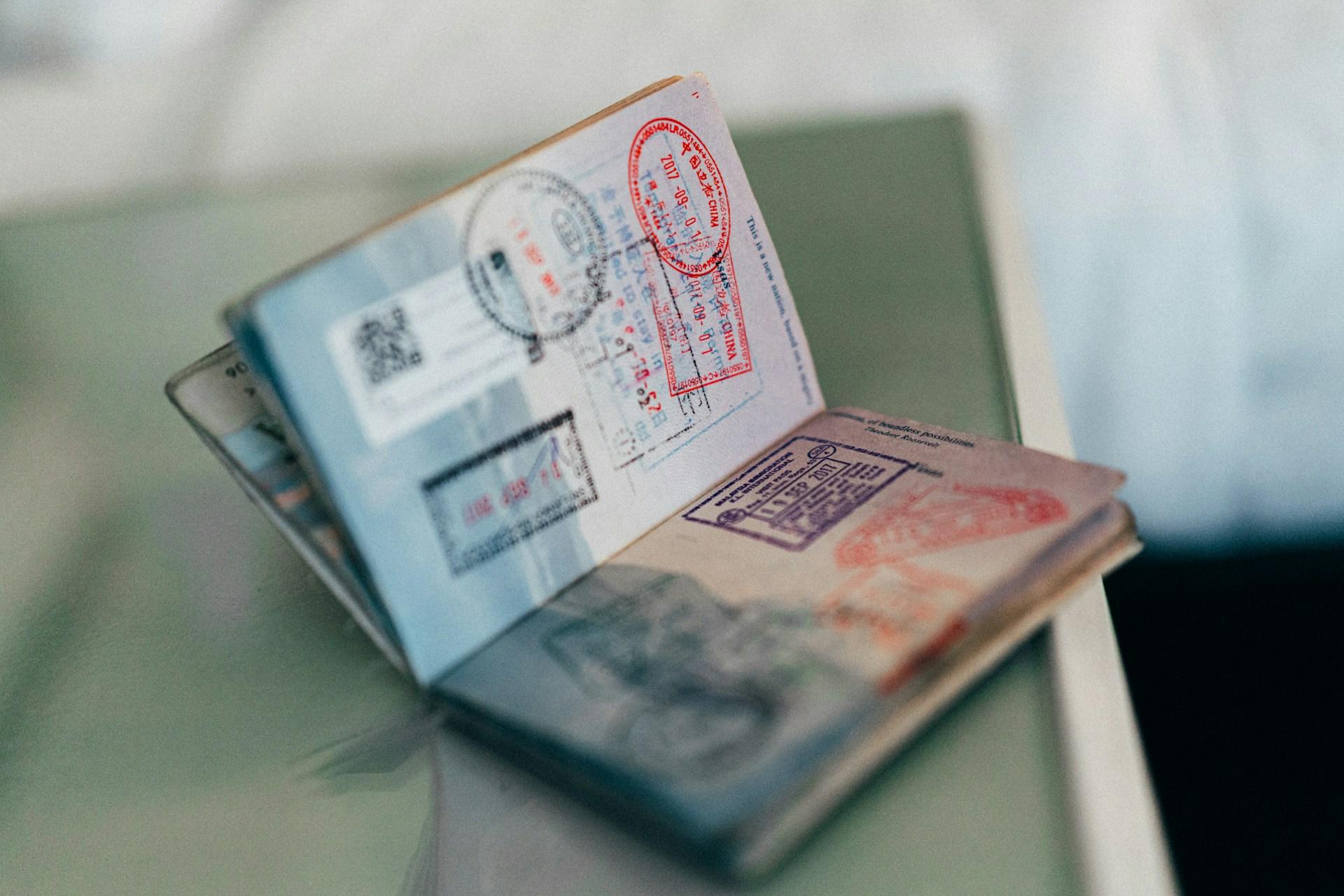
Your passport must be valid for at least three months after leaving the Schengen area and should normally have been issued within the last ten years under standard Schengen Agreement rules.
Most applicants also provide UK residence proof using a biometric residence permit BRP or eVisa confirmation. The documents required usually include an application form, passport photos, travel bookings, accommodation proof, financial evidence and UK residence proof.
Most travellers also provide fingerprints when they submit the visa application.
Travel Insurance, Medical Insurance and Proof of Funds
If you apply for a Schengen visa, travel insurance is one of the things you simply cannot skip. Most embassies want to see medical insurance covering the whole Schengen area, including emergency medical treatment and at least €30,000 in coverage.
Applicants must also prove sufficient funds for their visit through bank statements, payslips or sponsorship documents. Some embassies may additionally ask how you plan to return to your home country after the trip, so it is always worth taking time to double check the whole file before you submit it.
Invitation Letter, Employment Proof and Family Members
If you plan to stay with friends, relatives or family members instead of a hotel, an invitation letter can genuinely help make the visa application look more convincing. People working in the UK are often asked for a signed letter from their employer confirming the job and approved leave dates, while students may need a recent university letter confirming active study status.
Even when people apply together, embassies still usually expect separate documents and individual appointments for each applicant applying for a Schengen visa.
Schengen Visa Cost and Visa Fees in Practice
The official Schengen visa cost for adults is currently €90, while children between 6 and 12 usually pay reduced visa fees.
However, the price people actually pay is often a bit higher, because centres like VFS Global usually add service charges, courier delivery or optional premium services on top of the standard visa fees.
Can You Be Refused Entry After Approval?
Yes. Even with a valid visa, border officers can still stop travellers or refuse entry in some situations. They may ask questions about accommodation, insurance, financial means, return tickets and the purpose of visit.
If the information does not match the original application process, travellers may still be denied access even after the visa has already been approved.
Common Mistakes During a Schengen Visa Application
A lot of problems happen simply because applicants rush the process. The most common issues include choosing the wrong destination country, submitting incomplete documents, using an incorrect application form or travelling with an invalid passport.
Weak financial evidence can also create problems during the application process, so it is always worth reviewing the whole file carefully before you submit it.
FAQ
Do I need a Schengen visa with a UK student visa or skilled worker visa?
Usually, yes. Having a student visa or a work permit in the UK does not automatically give you visa-free travel across the Schengen area.
Can I visit multiple countries with one visa?
Normally yes. A standard Schengen visa is usually valid across most Schengen member states if the application was submitted through the correct country.
Is ETIAS the same as a visa?
No. ETIAS is a travel authorisation system for visa-exempt travellers. It is not the same as a Schengen visa.
Will my passport still be stamped when entering Schengen?
Not always. Since the EU Entry/Exit System started rolling out, some countries now record entry digitally instead of using passport stamps. Some travellers still receive stamps depending on the airport or border crossing. A UK eVisa usually does not change this.
Final Thoughts on the Application Process
The smartest way to apply for a Schengen visa from Britain is not to chase internet hacks or shortcuts. Most successful applications simply come down to choosing the correct Schengen country, preparing valid documents and making sure your travel plans make sense from beginning to end.
If your passport, bookings, insurance and application form all support the same story, the whole process becomes much more manageable and far less stressful than people often expect. That is especially important if you plan to travel across the Schengen area or apply for a Schengen visa for the first time.