Schengen Visa from the UK: Complete Guide
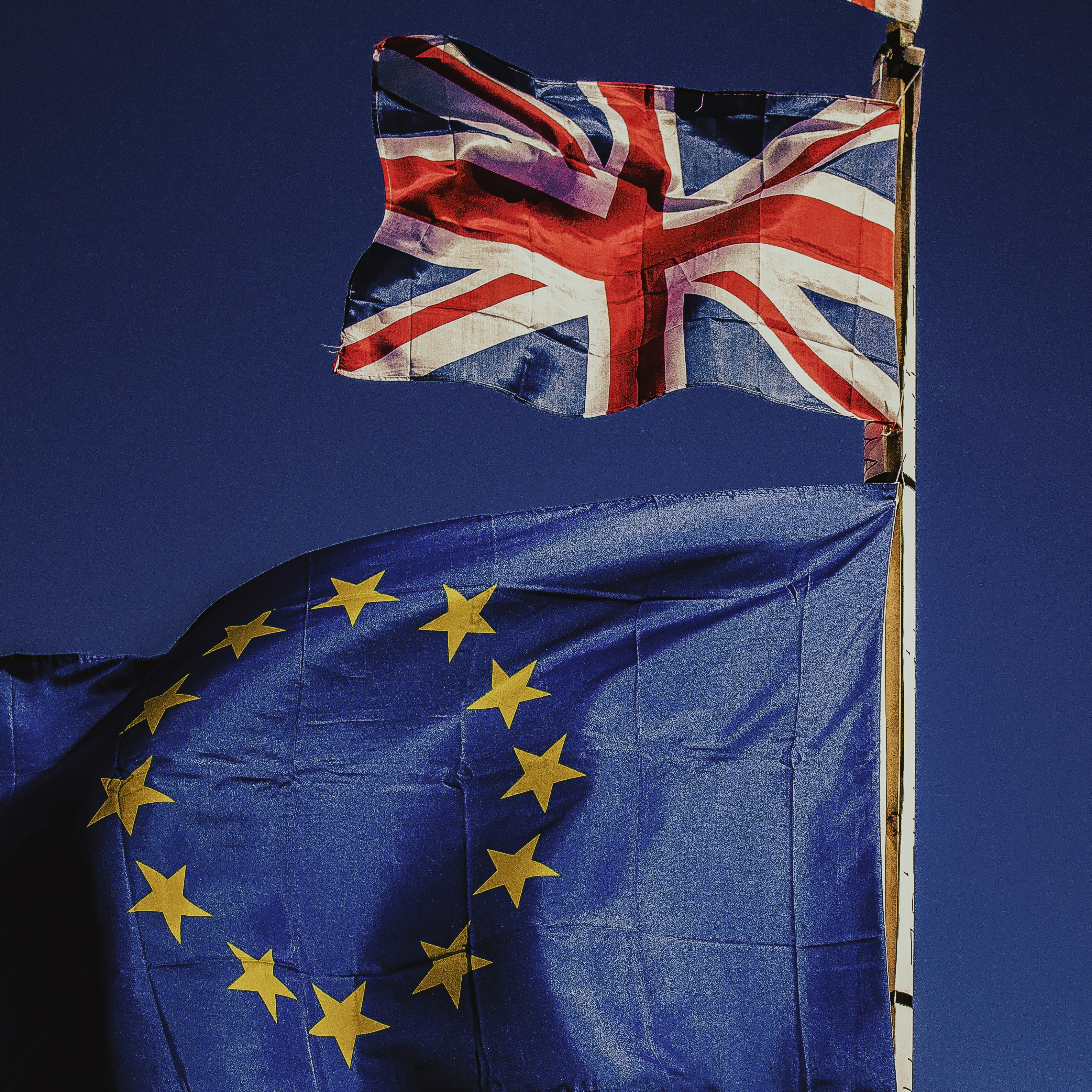
If you live in the United Kingdom and hold a non-EU passport, European travel often starts with one question: do you need a visa? For many travellers, the answer is yes — and the route is usually a Schengen visa from the UK. This guide is intentionally broad: it explains what the visa is, who it’s for, and what a typical visa application looks like in principle, without step-by-step instructions.
The key idea is simple. A schengen visa is a short-stay authorisation that lets eligible travellers enter the schengen area and move between participating countries during one trip, as long as they follow the time limits and schengen rules.
Schengen Visa Basics and Visa Type: What It Actually Means
A schengen visa is usually a short stay visa issued for temporary travel within the schengen area. It is commonly used for:
-
tourism and short trips
-
visiting relatives or family members
-
attending a business meeting or travelling for other business purposes
-
planned medical treatment
This type of visa is intended for short visits only. This short-stay authorisation. does not allow relocation, long-term study, or employment, and travel must follow the general conditions that apply to short stays in the Schengen Area
The European Union and How the Schengen System Is Regulated
The system exists because of the Schengen Agreement and later legal development, including the Schengen Convention and a shared legal framework applied by Schengen countries. Together, these elements set common standards for entry, security, and visas across the zone. These rules are applied and updated at EU level, influencing how the Schengen Area operates in everyday practice and helping keep visa approaches consistent across participating countries.
The European Union is not identical to the Schengen Area, but many EU countries are Schengen members, and a large part of the legal framework is connected to EU institutions. The European Commission plays a central role in proposing and supervising common approaches, while the European Parliament is part of the legislative structure that influences the broader legal environment. In practical terms, this helps keep standards consistent across different member state authorities, even though each country continues to issue visas through its own consular system.
Schengen Countries and Schengen States: Who Is Inside the Schengen Area?
The schengen countries include many well-known destinations. For example: finland france germany greece are in, and so are netherlands norway poland portugal. Together, these and other schengen states form a shared travel zone: once you lawfully enter, you can usually move on without repeated border formalities.
This matters for trip planning because one schengen visa can cover multiple countries in a single itinerary, as long as your travel remains within the schengen framework and the time rules are followed.
European Microstates: Where Do San Marino and Vatican City Fit?
Some European microstates sit inside or beside the Schengen Area. San Marino and Vatican City are common examples. They do not typically run separate visitor visa systems for short tourist access, because entry is usually through neighbouring Schengen territory.
However, not every territory works the same. Having a valid travel authorisation in your passport that allows entry to the Schengen Area does not automatically grant access to far-flung territories such as French Guiana, which follows different rules. That’s why it’s smart to check the status of each place on your route, especially if your plan includes less typical regions.
Who Needs a Visa: UK Residents, Third Country Nationals, and Immigration Status
Whether you need a visa depends primarily on nationality, not where you live. Many UK residents are third country nationals (meaning nationals of third countries outside the EU/EEA and outside the visa-waiver lists). If you are a non-EU passport holder, you may need to submit a schengen visa application even if you are legally resident in Britain.
Your UK immigration status can matter in supporting your case, because it helps show you can return to the UK. A valid residence permit is commonly used as part of that picture, but it is not, by itself, a pass into the schengen area.
Family Members of EU Citizens: Special Cases
Rules for family members of eu citizens can be different. Some may access facilitated procedures and, in certain situations, reduced or waived visa fees — but the details depend on circumstances and evidence.
Even when rules are more favourable, the traveller still needs to respect entry conditions, time limits, and the overall schengen rules that apply to visitors.
Border Controls, External Borders, and Internal Borders
Schengen travel works on a simple balance. Moving between countries inside the zone is meant to feel easy, but arriving from outside is more structured. Attention naturally shifts to the external borders, as this is where most travellers first arrive. It’s usually the moment when documents are looked at, a few routine questions may come up, and entry is confirmed.
Inside the Schengen Area, travel is usually smoother because there are no routine checks at each internal border. That is one of the main advantages of the system, allowing movement between countries during a single trip without repeated formalities.
From time to time, internal border controls do come back when a serious threat to internal security or public order is identified. Travellers may then come across a few extra checks at certain crossings, even though free movement within the Schengen territory remains the long-term aim.
How the Schengen Area Manages Security
To balance openness with safety, Schengen relies on shared tools and collaboration. The schengen information system supports alerts and checks that help address security concerns and irregular migration. It is one piece of a broader picture that includes police cooperation and, in some cases, judicial cooperation between participating authorities.
What a Visa Application Looks Like
A visa application is not about following a perfect template. In practice, people are simply trying to explain who they are and why they want to travel.
Most applications end up covering the same basic things. Identity documents are part of it. Travel plans usually come up as well. There also needs to be some explanation of what the trip is for, even if it’s brief.
How much detail is needed varies from case to case. Some trips are straightforward, others need a bit more context.
In the UK, applications are normally submitted through a visa application centre or an external provider such as VFS Global. This is where documents and biometrics are collected before the file is passed on for a decision.
Application Form, Signed Letter, and Proof Expectations
Most applicants will recognise a repeating set of basics: an application form, travel dates, and evidence that supports the purpose and funding of the trip. In some situations, a brief cover note or a written declaration may be requested to clarify intentions in plain English, particularly when travel plans are less straightforward.
You may also come across references to standard entry conditions such as proof of funds, accommodation details, and a return plan — all intended to demonstrate that the visit is genuinely temporary and that the traveller will return to their home country or place of residence before the authorised period ends.
Travel Insurance, Visa Fees, and Processing Time
A standard element in many cases is travel insurance, usually expected to meet minimum medical coverage rules across the schengen area. Costs vary by provider, but the concept is consistent.
You should also account for visa fees, plus any service fees charged by centres. Finally, processing time can vary by season and by member state, so travellers often plan with a buffer. This is part of normal visa processing, not a sign that something is wrong.
The 90/180 Rule: 90 Days in a 180 Day Period
For short stays, the famous limit is 90 days in any 180 day period across the schengen area. It’s not “per country”. It’s a rolling calculation across all countries in the zone.
That means you can’t spend 90 days in one place and then reset by hopping to another Schengen destination; you’re still in the same 180 day period window. If you’re planning multiple holidays, keep the 90 days rule in mind, because it applies to the entire schengen area.
Choosing the Main Destination, the Last Country, and the Consulate of the Country
When travellers prepare a visa application for travel to the Schengen Area, the choice of country matters. In most cases, the application is submitted through the diplomatic authority of the state where the traveller plans to spend the longest part of the trip. When the length of stay is evenly split, the order of entry may become relevant.
You might also hear people mention the last country on an itinerary. In practice, for an overview understanding, what matters most is that you apply through the right channel for the destination that best matches your plan.
Purposes of Travel: Business Purposes, Media Activities, and Short Visits
A schengen visa can cover a range of legitimate purposes. Many travellers go for tourism, while others travel for business purposes like a business meeting or industry event. Some people travel for media activities, or to attend short cultural or professional commitments.
Others travel for medical treatment when it’s planned and documented. Across these scenarios, the same core limitation applies: you are visiting temporarily under a short stay visa, within the schengen area, under the 90 days and 180 day period rules.
FAQ: Schengen Visa Overview for UK Residents and Third Country Nationals
Do I always need a visa if I live in the UK?
Not always, but many third country nationals do need a visa. A UK residence permit helps show you can return to the UK, but it does not replace a schengen visa requirement.
Is the Schengen Area the same as the European Union?
No. The european union overlaps strongly with the schengen area, but they are not identical. Some non-EU states participate in Schengen, and some EU members have different arrangements.
Can I visit several countries on one visa?
Yes. A schengen visa is designed for travel across multiple countries in the schengen area, as long as you follow the 90 days rule in the 180 day period.
What if there are checks inside the zone?
Normally, there are no routine checks at each internal border, but internal border controls can appear temporarily in response to a serious threat and internal security concerns.
Is a visa guaranteed if I apply?
No. Every visa application is assessed individually under shared standards and national decision-making.
Conclusion: Travelling in the Schengen Area with Confidence
A schengen visa is, at heart, a short-stay permission that helps eligible travellers enter the schengen area and travel between participating states without routine checks at every internal border. It exists because of the Schengen Agreement and is shaped by decisions made at European level, with EU institutions playing a role in how the system works in practice.
For UK residents who are third country nationals, the best first step is understanding the basics: whether you need a visa, what the visa type means, what a high-level visa application involves, and how the 90 days limit works across a rolling 180 day period. With those fundamentals clear, your travel planning across multiple countries in the schengen area becomes calmer, clearer, and far more predictable.