Schengen Visa Multiple Entry vs Single Entry Explained

Planning a trip across Europe often starts with one important question: what kind of Schengen visa do you need? Many travellers focus on collecting the right documents, filling out the application form, and booking an appointment with an embassy or consulate.
However, understanding the difference between a single entry visa and a multiple entry Schengen visa can be just as important. A surprising number of travellers discover too late that their visa does not allow the number of entries they had arranged. That can lead to disrupted travel plans, denied boarding, or problems at border controls.
This guide explains how different Schengen visa categories work, when to choose a multiple entry visa, and why the distinction can matter even if you still have unused days left on your visa.
What Is a Schengen Visa?
A Schengen visa gives eligible travellers from non-member countries the right to enter the Schengen Area and travel within it for short stays. People typically apply for one when preparing for a holiday, a business trip, or time with relatives living abroad. For many visitors, it is the document that opens the door to travelling across several destinations on a single journey.
The Schengen Area includes Germany, the Netherlands, and many other countries across Europe, where routine internal border controls are normally absent. Most travellers receive a Type C Schengen visa, which is the standard short stay visa. In practice, this is the visa most people use when they want to spend time in the Schengen Area as a tourist or for business purposes.
Multiple Entry Schengen Visa vs Single Entry Visa
A single entry visa allows you to enter the Schengen Area once. After you leave, the visa is normally considered used, even if it remains valid and you still have unused days available. This is one of the most common points of confusion for first-time travellers.
By contrast, a visa that allows repeated travel lets you leave and return to the Schengen Area several times while it remains valid. It is a popular choice for people travelling for work, family reasons, or frequent visits.
Before booking anything, check what your visa actually allows. Many travellers assume they can return to the Schengen Area after leaving, only to discover that their permission has already been used.
How Multiple Entry Visa Rules Work in the Schengen Area
A multiple entry visa does not provide unlimited access. The same 90 days within an 180 day period rule still applies. You may travel in and out of the Schengen Area several times, but your total duration of stay cannot exceed 90 days during any rolling 180 day period.
For example, you could visit Germany for 20 days, return to your home country, and then travel to the Netherlands for another 15 days. What counts is not how often you cross the border but your total stay and the number of days spent in the Schengen Area. The maximum authorised stay remains 90 days within a 180 day period.
Single Entry Schengen Visa: The Route Planning Trap
This is where many travellers get caught out. Imagine you receive a single entry visa and decide to drive to Greece for your summer holiday. Most of your route passes through several European countries, but you also want to stop in Serbia to pick up friends.
You begin your journey as expected and cross into countries covered by your visa. However, Serbia is not one of them. The moment you leave the visa-free zone and enter Serbia, your permission to return under a single entry visa is considered used, regardless of the schengen type shown on your visa.
When you later try to continue towards Greece, you will be refused access because your visa has already been used. Even with a visa valid for several more weeks and an expiry date still far away, you cannot re-enter and complete your stay in the Schengen area if the single-entry permission has already been used.
This is why travellers intending to visit more than one country should check their route carefully. A journey that looks straightforward on a map can quickly become a problem when non-member countries are involved.
Schengen Type, Double Entry and Multiple Entry Options
Besides single and multiple-use visas, some travellers receive a double entry authorisation. This type of visa allows two separate visits to the Schengen zone. After the second departure, it can no longer be used.
A multiple entry visa, by contrast, allows repeated travel throughout the visa's validity period, provided the traveller respects the 90 days in any 180 day period rule. If you are unsure what category you have been granted, a quick look at the visa sticker will usually give you the answer.
Understanding the 90 Days Within a 180 Day Period Rule
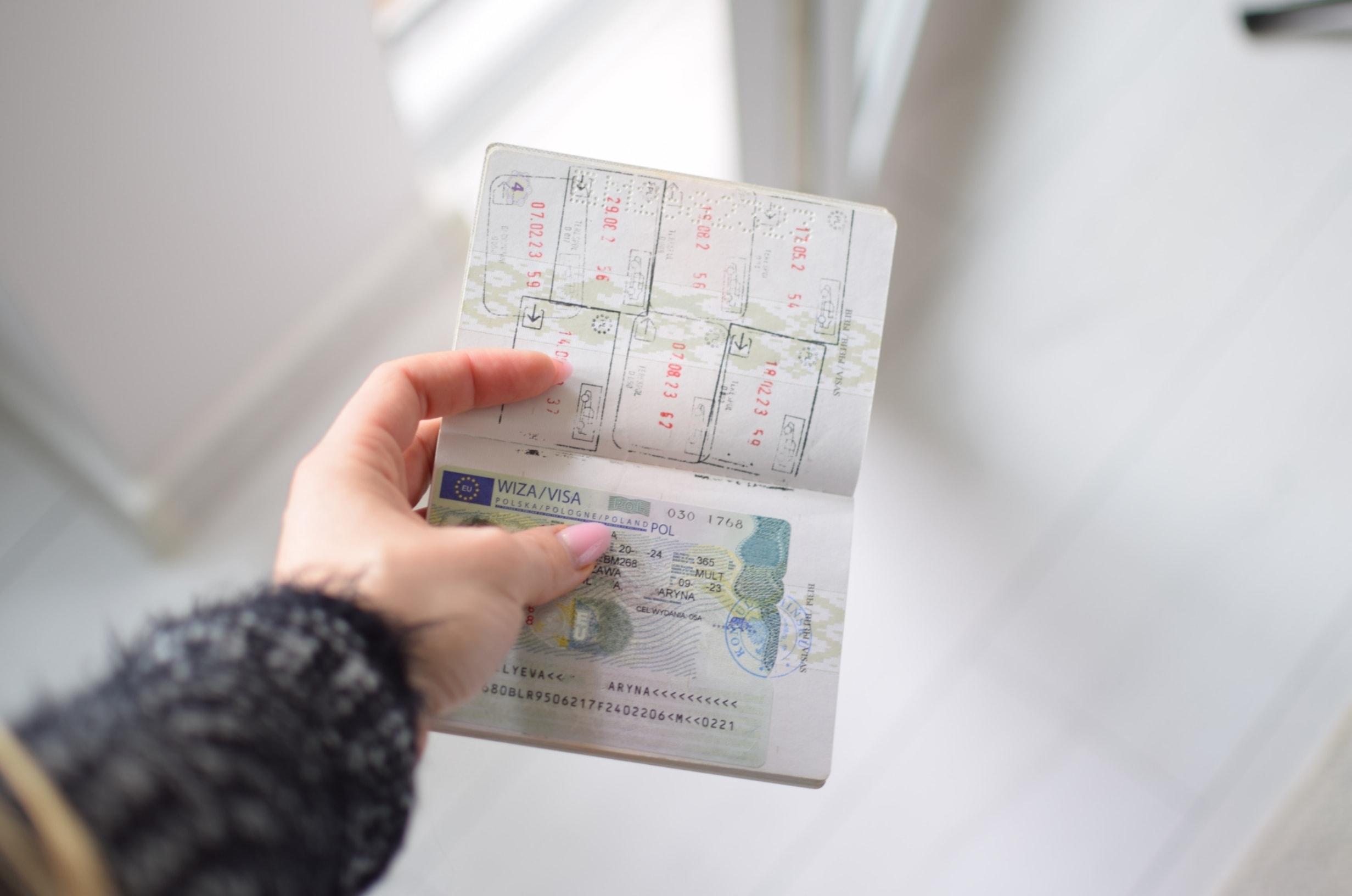
The easiest way to understand the rule is to keep track of the days you actually spend in the Schengen Area. A month in the Netherlands, three weeks in Germany, and a few more weeks elsewhere can add up faster than many travellers expect. Time spent only in an international transit area during an airport connection is treated differently from a normal stay.
Once you reach 90 days within the same 180 day period, you have used the full allowance available under your visa, even if it has not expired yet. Because the 180 day period is always moving forward, older travel days gradually fall out of the calculation, which is why many travellers find the Schengen 90 Day Rule confusing at first. The same rule applies to all short-stay Schengen visas.
Airport Transit, Travel Rules in the Schengen Zone and Border Controls
Not every traveller passing through Europe formally enters the country where they land. In some situations, an airport transit visa may be required when changing flights. This normally allows passengers to remain in the international transit area without entering the country itself.
Although the Schengen Area is built around free movement, travellers may still come across checks at an external border under certain conditions. This is not unusual and does not necessarily mean there is a problem with the journey.
Which Applicants Should Apply for a Multiple Entry Schengen Visa?
A visa allowing repeated travel is often the better option for people who cross borders regularly, whether for business, family reasons, or visits to different Schengen countries such as the Netherlands and Germany. It can be particularly useful for travellers who regularly move between several Schengen countries during the year.
If you have had visas before and used them as intended, there is a good chance you may be granted one that lasts longer next time. Holding a residence permit in another country can also be helpful when submitting a visa application.
How to Submit a Schengen Visa Application
The process usually begins with choosing your main destination. To apply for a Schengen visa, you should submit your visa application through the appropriate embassy or consulate representing that country.
Most non EU nationals applying for a short stay visa will need an application form, passport, supporting documents, travel insurance, and, in some cases, additional documentation. Applicants who hold a residence permit in the UK may also be asked to provide evidence of their immigration status. The embassy will also look at why you are travelling, whether it is for business, tourism, or to visit family members, alongside your travel history and proposed travel date.
Schengen Countries, Europe and Long-Term Travel Planning
The list of Schengen countries changes from time to time, so it is worth checking the latest information before every trip. Not all countries in Europe belong to the system, and not every member of the European Union participates in the same way. Some travellers are surprised to learn that certain countries in Europe remain outside Schengen.
Before you plan your route, check whether the countries listed in your itinerary are all part of the entire Schengen Area. This is especially important if your journey involves several Schengen countries and one or two destinations outside the system. Although the region is built around free movement, checks can still take place at an external border in certain situations. Also note that a current visa remains subject to its conditions until it expires, even when the visa is valid for future travel dates.
FAQ
Is a multiple entry visa better than a single entry visa?
Not always. Plenty of travellers only need a single entry visa. The extra flexibility of a multiple entry visa only really matters if you plan to leave Schengen and return later during the same trip.
What happens if I leave the Schengen Area with a single entry visa?
In most cases, the Schengen visa is considered used once you leave. Even if it remains valid and you still have unused 90 days, you will not be able to return.
Are some nationals exempt from a Schengen visa?
Yes. Whether you need a visa often comes down to one thing: your passport. Citizens of many countries can travel to Schengen countries without applying for a visa before departure, although the rules are not identical across all Schengen countries.
Conclusion
The difference between a single entry visa and a multiple entry visa matters more than many travellers expect. The right choice depends not only on where you are going, but also on how you plan to get there and whether you expect to leave and re-enter the Schengen Area along the way.
Before applying for a Schengen visa, take a quick look at your route and make sure it matches the type of visa you need. It is a small detail, but getting it wrong can turn a straightforward journey into a very expensive headache, even when the dates printed on your visa appear to cover the entire trip.