Easiest Schengen Visa from the UK: Which Country Is the Simplest to Get Approved?
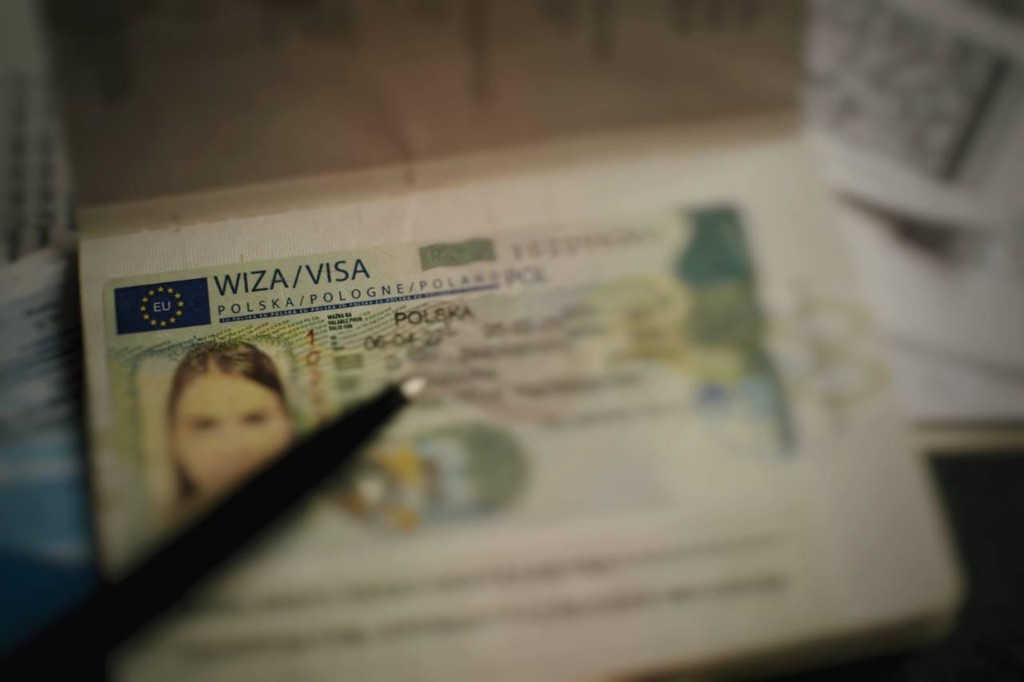
For many people living in Britain, planning a trip across Europe rarely starts with choosing a destination. It usually starts with a more practical question: where is it actually easiest to get a Schengen visa? The idea of the easiest Schengen Visa from UK is less about shortcuts and more about understanding how the system actually works. It is simply about knowing which countries tend to handle visa applications in a more predictable way and where applicants are less likely to run into unnecessary complications.
On paper, the Schengen area looks like one system, but anyone who has gone through the process knows it does not feel that way in practice. Schengen countries handle visa applications differently, and this is where things start to matter. The rejection rate, visa approval rate, and overall visa process can vary more than people expect, which is exactly why some countries feel easier than others when you actually apply.
Easiest Schengen Visa from UK: What Applicants in Britain Need to Know
Applicants with UK residency often assume that all Schengen visa applications are handled in exactly the same way, but in practice that is rarely the case. The differences between countries are not always obvious at first glance, yet they become clear once you start comparing rejection rate trends and looking at how visa applications are actually assessed.
For those applying from outside the EU, including the UK, embassies pay close attention to consistency. It is not just about submitting all the paperwork, but about how well everything fits together. Your itinerary, financial proof, and documents you provide need to tell the same story. That is why well prepared applicants tend to succeed, while poorly prepared visa applications can still be refused even in the easiest Schengen countries.
Schengen Visa Applications and Rejection Rate: What the Latest Data Really Shows
If you look at Schengen visa applications across the Schengen area, the latest data does show clear differences in rejection rate between countries. But taken on its own, that kind of data can be misleading, especially if you do not consider what sits behind those numbers and how different countries handle applications in practice.
Countries that receive the most Schengen visa applications often end up with a slightly higher rejection rate simply because they deal with a much broader mix of visa requests, including weaker or incomplete cases. Smaller countries, on the other hand, tend to process fewer applications and often show lower refusal levels. For travellers seeking to understand which countries are easier to get approval from, what really matters is not just the rejection rate, but whether the visa approval process feels consistent and predictable over time.
Schengen Countries with the Lowest Visa Rejection Rates
Some Schengen countries tend to stand out when you look at lower rejection rate figures, which is why they often feel more approachable for travellers. Latvia is one of the clearest examples. It combines a relatively low rejection rate with a structured and easy-to-follow way of handling visa applications, and it is usually easier to book a Schengen visa appointment there than in more popular destinations.
Lithuania and Estonia feel quite similar in practice. In recent years, both countries have shown a significant improvement in how visa applications are handled, which has made the process more predictable for applicants. The process there is usually more straightforward, and you are less likely to run into unexpected issues during your application. It is also noticeably easier to find an appointment, which already takes a lot of pressure off compared to more popular destinations.
Slovenia and Slovakia are also worth looking at. Fewer people apply there, so there is less competition for slots and booking tends to be much simpler. For many applicants, that alone makes these countries some of the easiest Schengen countries to deal with.
Easiest Countries to Get a Schengen Visa: Is There Really an Easiest Country?
There is no one country that will guarantee you a visa just because it is considered "easy". People often get this wrong, especially when they follow rankings or random advice online. In practice, it works much more simply than that. The country needs to match your situation, and your application needs to make sense when someone actually reads it.
If you just pick a country at random or try to apply somewhere only to get a visa stamp, it usually backfires. Embassies spot that quickly. What really helps is a clear, honest application where everything lines up and nothing feels forced or confusing.
Countries with the Most Schengen Visa Applications and What That Means for Applicants
Countries like France and Spain receive most Schengen visa applications each year. This naturally affects their rejection rate, as they deal with a much broader mix of applicants.
The French visa system is quite organised and backed by well-established visa centres, which helps keep things running even with a high number of applications. So even though a lot of people apply, it does not necessarily make it harder, you just need to take your time and avoid mistakes.
Latvia Remains an Attractive Option with a Relatively Low Rejection Rate
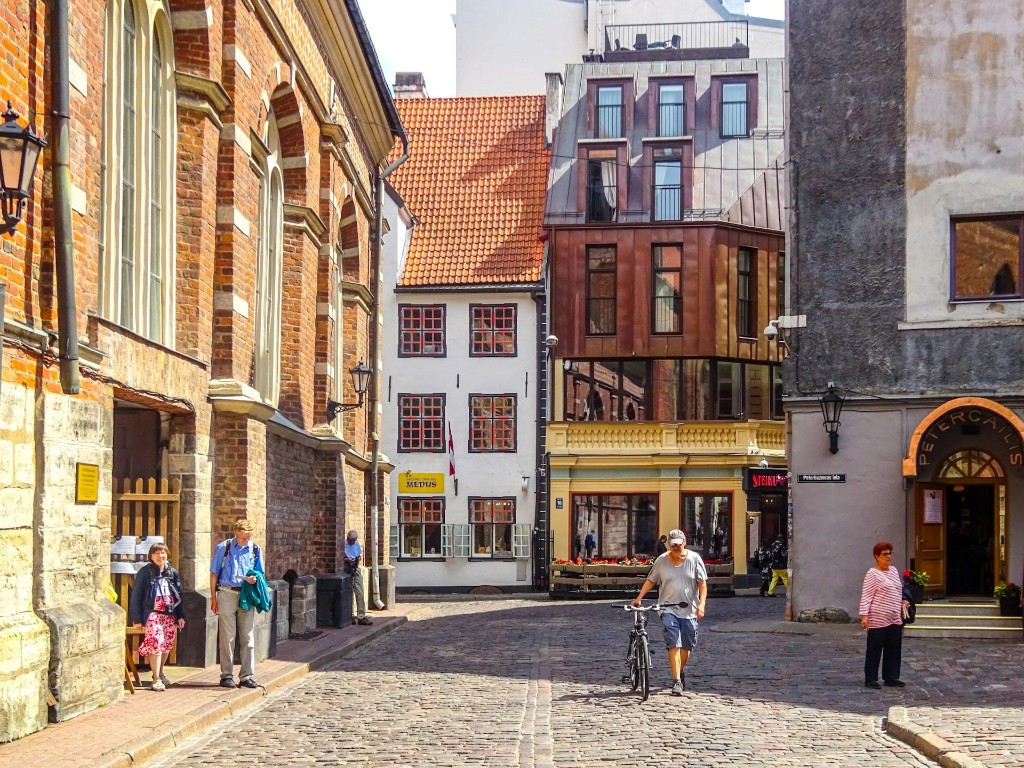
Latvia remains one of the easiest countries to get approval from, largely because of how consistently it handles visa applications, and because appointment availability is typically better than in more popular countries across the Schengen area.
With a lower rejection rate and a structured review approach, Latvia remains an attractive option for well prepared applicants who follow all the requirements. In many cases, the country's embassy is known for taking a more balanced view of applications, which contributes to a high visa approval rate when everything is submitted correctly.
This consistency is what makes Latvia stand out rather than any simplified idea of "easy approval", especially for applicants who want a clearer and more predictable experience. Instead of relying on luck, you are dealing with a system where expectations are easier to understand and outcomes feel more aligned with the quality of your application.
Italy Continues to Draw Most Schengen Visas from UK Applicants

Italy continues to attract a high number of visa applications each year, especially from people applying in the UK. It remains one of the most popular destinations within the Schengen area, which means higher demand and sometimes a slightly higher rejection rate compared to smaller countries.
At the same time, the Italian visa process is well structured and familiar to many applicants. Visa application centres are widely available, and the country's consulate tends to follow a consistent approach when reviewing applications.
Italy is often the main place people plan to stay for holidays, family visits, or trips across several countries, so it is usually chosen for practical reasons. It is not always the easiest Schengen visa option, but many UK applicants still go with it when their plans are clear.
Application Process: How to Get a Schengen Visa the Right Way
The application process starts with choosing the right country based on where you actually plan to spend most of your time. This is more important than it looks, because it directly affects how your application is reviewed.
After that, you fill in the visa application form and start putting your documents together. This is where things often go wrong, so it is worth taking your time. Good, thorough documentation makes a big difference, especially when it comes to travel insurance, bank statements, and anything that supports your plans.
The next step is booking a Schengen visa appointment. In the UK, most people go through visa centres like VFS Global, TLScontact or BLS International, depending on the country. Sometimes you can apply directly through the consulate, but in practice that option is not always available.
Visa Process and Visa Approval Process: Why Main Destination Matters
The visa process is closely linked to the country where you will spend most of your time. If your trip includes several European countries, just think about where you will actually stay longer. For example, if you are going to Italy, France, and Spain, but most of your days are in Italy, then that is where you should apply. This is something embassies look at quite carefully, especially with first time applicants.
If your trip is split evenly and there is no clear main country, then you apply through the country you enter first. This is where people often make mistakes. Even with good documents, the application can be refused if the plan does not make sense. A clear plan makes a big difference and helps the embassy understand your trip without second-guessing anything.
Complete Documentation: What You Need to Prepare
Complete documentation matters more than people expect. You need to provide all required documents, including a valid passport, and make sure your supporting documents clearly explain your situation.
Many refusals happen for simple reasons, like missing papers or details that do not match, or even small inconsistencies between the documents themselves, although these are not the only reasons applications get refused during the visa application process. It is worth going through everything once again before you apply, just to make sure nothing looks confusing or incomplete.
Visa Application Form, Valid Passport and Travel Insurance Certificate
The visa application form needs to be filled in carefully, because even small mistakes can lead to problems. In many application centres, they can fill it in for you for an extra fee, but even then it is still worth checking everything yourself afterwards to make sure all the details are correct. You will also need a valid passport and travel insurance for all Schengen visa applications, and the insurance has to cover your full stay in the Schengen area.
Schengen Visa Appointment, Visa Centres and VFS Global
Booking a Schengen visa appointment is a key step, and in the UK most people apply through external service providers rather than directly through the embassy. VFS Global handles applications for countries like Italy and several others, while TLScontact is commonly used for France, and BLS International works with Spain. Which centre you use depends entirely on the country you are applying to.
In practice, the experience is quite similar across all of them. Appointment slots can be hard to find, especially during busy periods, and this is not limited to one specific country or provider. No matter whether you apply through VFS, TLScontact, or BLS, the main issue is usually the same, finding a suitable appointment at the right time.
Processing Times, Visa Fee and Efficient Processing Across Schengen Countries
Processing times vary depending on demand and the country you apply to. While most Schengen visa applications are often processed within around 15 days, it is not something you should rely on too strictly.
Delays happen all the time, especially when it is busy, so getting your passport back later than expected is nothing unusual. Sometimes it stretches to 45 days, and every now and then even longer. It does not happen to everyone, but it is common enough that you should not plan your trip too tightly.
Schengen Visa Rejections, Schengen Visa Refusals and Common Mistakes
Schengen visa rejections often happen not because of serious problems, but because of small and avoidable mistakes. In many cases, the application simply does not look clear or consistent enough.
Some of the most common reasons include:
-
missing documents or incomplete paperwork
-
differences in details across documents, for example dates that do not match
-
unclear or unrealistic travel plans
-
applying through the wrong country
-
weak financial proof or unclear bank statements
-
lack of explanation for your trip or unclear purpose of travel
-
mistakes in the visa application form
-
booking documents that look unreliable or inconsistent
None of these issues are complicated on their own, but together they can easily lead to a refusal. Most of these problems are easy to avoid, they usually come down to things people overlook or rush at the last moment.
Schengen Area Travel: Can You Travel Freely Across Multiple Countries?
Once your Schengen visa is approved, you can move between Schengen countries quite freely without going through border checks each time. This covers most EU countries as well as a few non-EU countries within the Schengen zone, which is why it is so convenient for trips across several destinations. The main thing to keep in mind is that you still need to follow the conditions of your visa, especially in terms of how long you stay and where your trip is based.
All the Schengen Countries, Member States and European Microstates
The Schengen area includes most European countries within the European Union, along with several non-EU countries, which makes travel across the region quite straightforward. European microstates like Vatican City and San Marino are not part of the Schengen system, but in practice they are accessed through Italy. If your main purpose is to visit these countries, you would normally apply through the Italian consulate. At the same time, if you already have a Schengen visa issued by any Schengen country, you do not need any additional permits or visas to enter them.
FAQ: Easiest Schengen Visa from the UK and Schengen Visa Applications
Which country is actually easier to apply to from the UK?
People often go for Latvia, Lithuania or Estonia, mainly because the process there feels more straightforward and it is usually easier to get an appointment. But even there, it still depends on your documents.
Why do people get refused a Schengen visa so often?
In most cases, it is not something serious. It is usually small things like missing papers, details that do not match, or plans that do not really make sense on paper.
How early should you start the process?
Earlier than you think. Sometimes everything goes quickly, but delays happen all the time, so it is better not to leave it to the last moment.
Conclusion: Choosing the Right Country for a Straightforward Visa Process
There is no guaranteed easiest Schengen visa from UK, but in practice some countries are simply easier to deal with than others. Latvia, Lithuania, Estonia, Slovenia, and Slovakia are often easier to deal with, mainly because the process there feels more straightforward and there is less pressure around it.
At the same time, the country you choose is only part of it. What really matters is how your application comes across when someone actually looks at it. Even in places with a lower visa refusal rate or a high approval rate, people still get turned down if something does not quite add up.